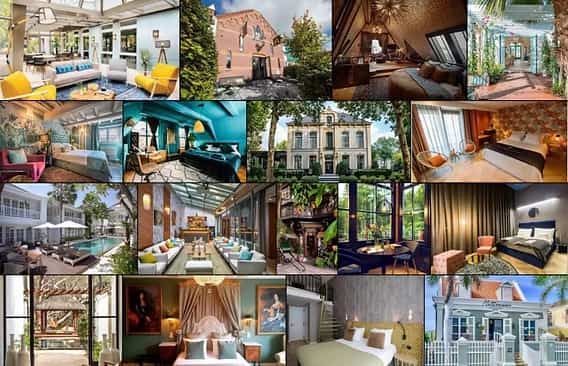
The hospitality landscape is undergoing a fundamental shift from standardized luxury to “emotional luxury.” For travelers today, particularly in high-growth regions like Latin America, the definition of a premium stay has evolved from gold-plated fixtures to hyper-personalized, culturally immersive experiences.
This report analyzes the rise of boutique hotels, the role of technology in enabling personalization, and specific innovations driving growth in Peru, Colombia, and Argentina.
1. Market Overview: The Shift to Experiential Travel
The global boutique hotel market is outpacing the broader hospitality sector, driven by a consumer desire for authenticity over predictability. While global growth is strong, Latin America is emerging as a high-potential region due to its rich cultural assets and rapid adoption of hospitality technology.
- Global Market: Valued at approximately $26.7 billion in 2024, projected to reach $40.3 billion by 2030, growing at a CAGR of 7.2%.
- Latin America Focus: The region is expected to grow even faster, with a projected CAGR of 7.9% through 2030. Revenue is forecast to climb from $2.28 billion in 2024 to nearly $3.6 billion by 2030.
2. The “New Luxury”: Personalization & Authenticity
The modern traveler—spanning Gen Z to affluent Boomers—seeks accommodation that serves as a gateway to the local culture rather than a bubble isolating them from it.
- Emotional Luxury: It is no longer just about service; it is about “feeling.” Hotels like Binn Hotel in Medellín describe this as “luxury with soul,” where the goal is to create a sense of belonging through sensory details (scent, lighting, texture) rather than just opulence.
- Hyper-Personalization: Generic “VIP treatment” is being replaced by data-driven customization. This includes:
- Wellness: Oxygen-enriched rooms in high-altitude Cusco hotels (e.g., Inkaterra La Casona) to aid acclimatization.
- Dietary & Dining: Menus tailored to guest health data or preferences before arrival.
- Curated Itineraries: Concierges who act as “experience architects,” designing private vineyard tours or stargazing sessions based on a guest’s specific interests.
3. Technology: The Invisible Concierge
While boutique hotels emphasize the “human touch,” their ability to scale personalization is increasingly powered by advanced technology. Latin American hoteliers are aggressive adopters, with 89% of executives in the region accelerating tech adoption post-pandemic.
- AI & Machine Learning: Hotels use AI to build privacy-compliant guest profiles. If a guest prefers a quiet room away from the elevator or a specific type of pillow, the system ensures this is handled automatically for every future stay.
- Smart Operations: “Invisible” tech streamlines the friction points. Contactless check-in, WhatsApp-based concierge services, and smart room controls allow staff to focus on high-value interactions rather than administrative tasks.
- Data-Driven Empathy: Predictive analytics help staff anticipate needs—such as suggesting a spa treatment after a long flight or automatically adjusting room temperature based on arrival time.
4. Regional Spotlight: Innovation in the Andes
Latin America is becoming a global laboratory for boutique innovation, blending historical heritage with modern sustainability and wellness trends.
Peru: Heritage & Holistic Wellness
- Inkaterra La Casona (Cusco): A prime example of historical restoration. Located in a 16th-century manor, it integrates Incan stone walls with modern comforts like oxygenated rooms to combat altitude sickness, blending medical wellness with colonial luxury.
- Sol y Luna (Sacred Valley): A Relais & Châteaux property that redefines purpose-driven travel. It is a “hotel with a heart,” where profits fund a local school for underprivileged children, appealing to the socially conscious traveler.
Colombia: “Conscious Luxury” & Design
- Binn Hotel (Medellín): Represents the modern urban boutique. It focuses on “sensory wellness” and minimalism, moving away from colonial tropes to showcase modern Colombian design and efficiency.
- Casa San Agustín (Cartagena): Merges three colonial whitewashed houses into a single hotel. It preserves the “frozen in time” atmosphere while offering contemporary luxury, such as private plunge pools in a UNESCO World Heritage site.
Argentina: Immersive Viticulture
- Cavas Wine Lodge (Mendoza): One of the first “wine lodges” in the region. It offers private villas nestled inside the vineyards. The experience is totally immersive: guests can harvest grapes, blend their own wines, and enjoy vinotherapy spa treatments (e.g., Malbec scrubs).
- Susana Balbo Winemaker’s House: Takes personalization further with “In-House Wine Experiences,” where guests stay in the winemaker’s family home and have a dedicated “Experience Manager” to curate every aspect of their stay, from air transfers to private tastings.
5. Future Outlook: 2025 and Beyond
The boutique sector will continue to bifurcate into two distinct directions:
- Tech-Enabled Efficiency: Mid-scale boutique hotels will use AI to offer premium-feeling personalization at a lower price point.
- Ultra-High-Touch Sanctuaries: Luxury boutique properties will double down on privacy, exclusivity, and wellness, becoming “retreats” rather than just hotels.
Strategic Takeaway: For business leaders in the region, the opportunity lies not just in building hotels, but in creating integrated ecosystems—where accommodation, local agriculture (farm-to-table), and cultural experiences (art/history) are packaged into a seamless, highly personalized product.