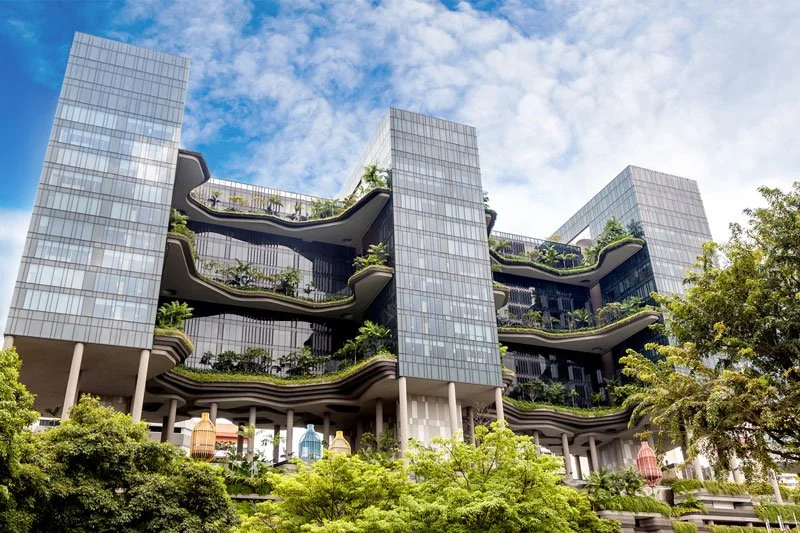
The hospitality industry is experiencing a decisive shift toward sustainability, driven by travelers who increasingly expect—and reward—genuine environmental commitment. Modern guests aren’t just accepting green practices; they’re actively seeking them out and willing to pay premium prices for accommodations that align with their values. Hotels that successfully implement sustainable initiatives report tangible rewards: an average 12% increase in overall revenue, up to 11% revenue-per-available-room premiums, and significantly higher guest satisfaction and loyalty rates.
What Guests Actually Want: The Most Appreciated Sustainable Practices
Plastic Reduction and Visible Waste Elimination
Guests consistently respond enthusiastically to concrete actions that eliminate single-use plastics. Refillable dispensers for toiletries, biodegradable alternatives, and visible recycling programs signal genuine commitment while improving the in-room experience. Hotels like Six Senses have saved over 10 million plastic bottles annually by bottling water onsite and providing reusable bottles to guests, demonstrating how waste reduction can become a memorable guest amenity.
Smart Energy and Water Conservation Technology
Modern travelers appreciate energy and water-saving systems when they enhance comfort rather than compromise it. Digital check-ins, mobile room keys, smart thermostats, and motion-sensor lighting demonstrate environmental responsibility without diminishing the luxury experience. Hotels implementing occupancy-based energy systems have achieved up to 30% cost reductions, with sophisticated systems like Hilton’s LightStay tracking water use to cut consumption by 22% over a decade.
Water conservation particularly resonates with guests. Properties like Guldsmeden Hotels in Copenhagen have reduced water consumption by 60-90% using NASA-based recycling technology while maintaining premium shower experiences. When guests understand the technology behind these initiatives, they feel actively contributing to environmental goals.
Locally Sourced, Farm-to-Table Dining Experiences
Food-related sustainability initiatives generate high guest satisfaction because they deliver tangible benefits: fresher ingredients, authentic local flavors, and transparent sourcing stories. When hotels partner with local farmers and artisans, they reduce carbon footprints while enriching the guest experience with authentic regional cuisine. Vegetarian and vegan menu options appeal to health-conscious and environmentally aware travelers, while made-to-order food services reduce waste without sacrificing dining quality.
Personalized Eco-Amenities and Choice
Guests appreciate sustainability most when they can participate voluntarily. Hotels that offer choices—refillable toiletries, organic cotton linens, reusable water bottles, reef-safe sunscreen—empower guests to align their stay with personal values. This customization approach has proven particularly effective with younger demographics: 60% of millennials and 59% of Gen Z express willingness to pay more for sustainable services, especially when options are tailored to individual preferences.
Transparent Communication and Education
Modern travelers demand authenticity, not marketing hype. Research shows that 7 in 10 travelers have actively avoided destinations due to skepticism about sustainability claims, making transparency non-negotiable. Successful hotels communicate their environmental impact through accessible reports, recognized certifications (such as Green Key or Bioscore), and visible monitoring systems showing real energy and water metrics. In-room information cards, QR codes linking to sustainability initiatives, and educational signage help guests understand the “why” behind practices.
The Business Case: Why Sustainability Drives Revenue and Guest Loyalty
Direct Revenue Impact
The financial benefits are compelling and increasingly measurable. Hotels with green certifications command premium pricing power, achieving RevPAR premiums of up to 11% over non-certified competitors. Across the industry, sustainable hotels report an average 12% revenue increase compared to traditional properties, with 70% of global consumers stating they would pay more for environmentally responsible accommodations.
Guest Satisfaction and Retention
Green practices don’t merely attract eco-conscious guests; they enhance overall satisfaction metrics for all visitors. Green-certified hotels demonstrate higher review scores and satisfaction ratings, driven by multiple factors: improved air quality through advanced filtration, quieter environments from efficient equipment, and healthier spaces through non-toxic cleaning products. Hotels adopting eco-friendly practices have recorded 10-15% increases in guest satisfaction and retention rates. The relationship is mediated by service quality—hotels that maintain high operational standards while implementing sustainability initiatives maximize guest satisfaction.
Guest Loyalty and Repeat Business
Brands perceived as genuinely sustainable experience approximately 20% boosts in customer loyalty. When guests participate in loyalty-reward programs—such as receiving 500 points for skipping daily housekeeping or contributing to carbon offset programs—they develop stronger emotional connections to the brand. This sense of shared responsibility for environmental stewardship transforms one-time visitors into advocates who actively recommend the property and return for subsequent visits.
Implementation Strategies That Resonate With Guests
Multi-Touchpoint Sustainability Integration
The most successful hotels embed sustainability across every guest interaction rather than isolating “green” initiatives. This means electric vehicle charging stations alongside luxury amenities, organic spa products alongside premium services, and local artisan sourcing integrated into the gift shop experience. Guests notice when sustainability feels integrated rather than performative.
Community-Centered Approaches
Properties that partner with local communities—supporting regional economies through sourcing, offering cultural experiences led by locals, and organizing volunteer opportunities—create deeper guest engagement. Hotels hosting eco-tours, nature walks, tree-planting activities, and beach cleanups transform guests from passive observers to active participants in environmental stewardship.
Technology That Enhances Rather Than Intrudes
Successful sustainable hotels leverage technology thoughtfully. Biophilic design incorporating natural elements, green spaces, and optimized natural lighting creates environments where sustainability feels like luxury rather than sacrifice. Smart room controls accessible via apps or voice commands offer convenience while reducing resource consumption.
Low-Cost, High-Impact Operational Wins
Not every sustainable practice requires capital-intensive investment. The Dalata Hotel Group achieved Green Tourism Gold certification across 52 properties through site-specific, tailored strategies: laundry reduction programs, digital check-ins, HVAC zoning, and smart housekeeping schedules delivered significant cost savings alongside environmental benefits. These operational improvements demonstrate that genuine sustainability doesn’t demand prohibitive expense.
The Shifting Industry Landscape
As of 2025, sustainability has transitioned from competitive differentiation to industry baseline expectation. Approximately 76-83% of travelers now prioritize eco-friendly accommodations, with younger demographics even more emphatic: 81% of all travelers prefer sustainable options, and 61% actively seek to minimize plastic during stays. Hotels ignoring this market shift risk losing market share to competitors capturing the rapidly growing eco-conscious travel segment.
The transparency guests demand means hotels cannot rely on unsubstantiated claims. Industry certifications, measurable environmental impact reporting, and visible sustainability practices have become essential trust-building mechanisms. Properties that demonstrate genuine commitment through recognized certifications, accessible data, and integrated practices enjoy measurable competitive advantages through higher pricing power, improved guest satisfaction, and stronger loyalty.
For hospitality operators, the strategic imperative is clear: sustainable practices are no longer optional amenities but fundamental business requirements that simultaneously serve environmental responsibility and commercial success.